
· Caliber Dynamics · News · 3 min read
Hull B Finally Lands: MISC's Mid-Tier Hauler Joins the Active Fleet
The waiting game is over, operators. After years of development and delays, MISC's Hull B has officially touched down in the 'verse as a flyable ship. This marks a significant milestone for cargo o...
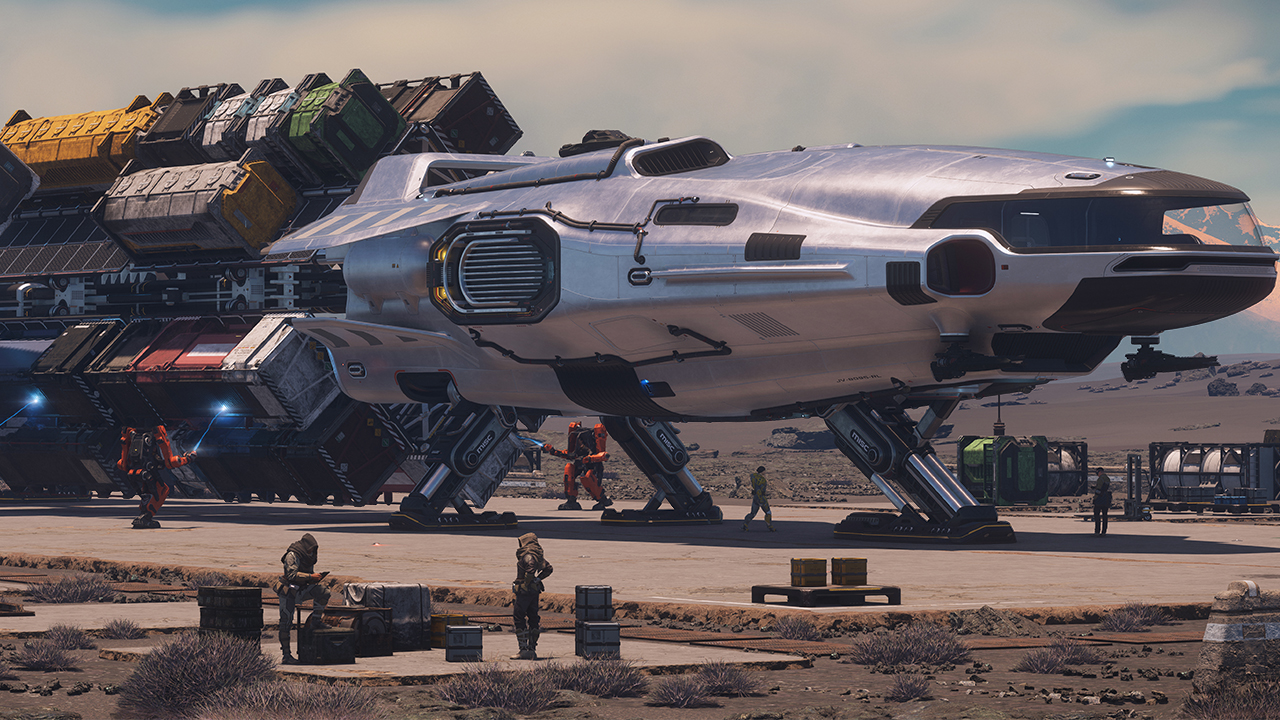
The waiting game is over, operators. After years of development and delays, MISC’s Hull B has officially touched down in the ‘verse as a flyable ship. This marks a significant milestone for cargo operations, filling a crucial gap in the mid-tier hauling market that our Logistics division has been eyeing for some time.
What We’re Looking At
The Hull B represents MISC’s answer to medium-scale cargo operations, positioned as the “middle child” of the Hull series family. While we’ve been operating with smaller haulers like the Hull A and waiting for the massive Hull C and beyond, the Hull B bridges that gap with a cargo capacity that should handle most org-level supply runs without the overhead of capital-class logistics.
This isn’t just another ship release — it’s the first of the larger Hull series variants to make it into active service, which means CIG has finally cracked the code on the expandable cargo framework that defines this ship line. The Hull B’s external cargo spindle system represents a completely different approach to freight hauling compared to the internal cargo bays we’re used to.
Operational Implications
The Hull B’s arrival signals that CIG is serious about expanding the cargo gameplay loop beyond basic box-running. With its external cargo configuration, this ship operates differently from traditional haulers — it can’t land when fully loaded and requires careful route planning and escort coordination. This isn’t a solo freight runner; it’s designed for organized operations.
For the broader economy, having more cargo capacity in player hands should help drive down shipping costs and increase trade volume between systems. More importantly, it gives medium-sized organizations like ours access to bulk hauling without requiring the massive crew commitments that the larger Hull variants will demand.
CDYN Impact
Our Logistics division should take immediate note of this development. The Hull B fills a sweet spot in our cargo operations — larger than our current light haulers but manageable enough for regular supply runs. This ship could revolutionize how we handle bulk commodity transport between our mining and salvaging operations.
Logistics Division: The Hull B should be evaluated for inclusion in our standard cargo fleet. Its capacity makes it ideal for hauling refined materials from our mining operations or moving large quantities of salvaged components. However, the external cargo system means we’ll need to develop new escort protocols — a loaded Hull B is vulnerable and can’t make emergency landings.
Security Division: Every Hull B operation will require escort coverage. The ship’s inability to land when loaded makes it a high-value, high-vulnerability target. We should develop standard escort packages and route security procedures specifically for Hull series operations.
Mining Division: This ship could be the key to making large-scale mining operations profitable. Instead of multiple trips with smaller haulers, a single Hull B run could move an entire mining session’s output in one go.
The Hull B represents more than just a new ship option — it’s proof that CIG is committed to delivering the complex cargo systems that will define large-scale trade gameplay. Our logistics teams should start planning for Hull B integration while our security operators prepare for a new class of escort missions. The ‘verse just got a lot more interesting for freight runners.


Discussion