
· Caliber Dynamics · News · 3 min read
Sean Tracy Returns: Development Tools Deep-Dive Signals Major Pipeline Improvements
CIG's latest Star Citizen Live brought back a familiar face — Sean Tracy, CIG's Technical Director of Engine, returned to discuss the backbone of Star Citizen's development: the tools and teams tha...
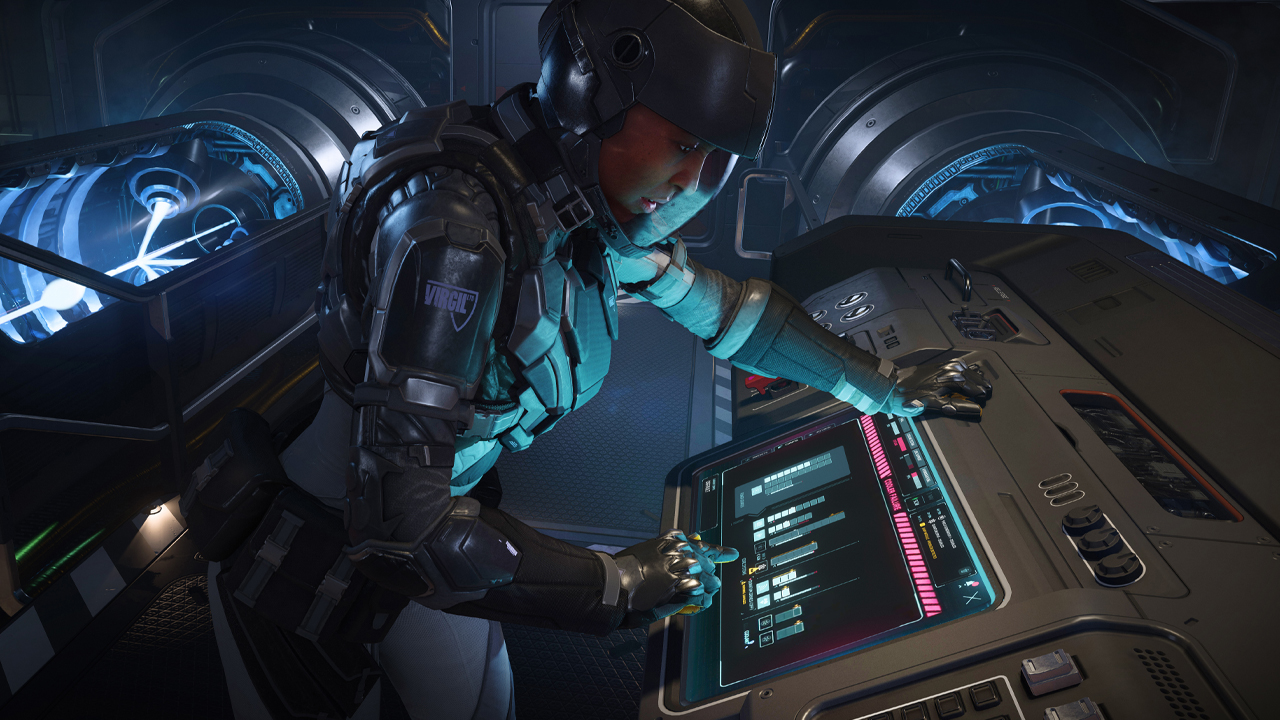
CIG’s latest Star Citizen Live brought back a familiar face — Sean Tracy, CIG’s Technical Director of Engine, returned to discuss the backbone of Star Citizen’s development: the tools and teams that make everything possible. While the full technical breakdown is still processing, this session represents something significant for operators tracking the game’s development trajectory.
Development Tools Focus
Tracy’s appearance alongside Jared Huckaby centered on the often-overlooked infrastructure that powers Star Citizen’s creation. We’re talking about the development pipelines, asset creation tools, and workflow systems that determine how quickly new content reaches our hangars and the ‘verse itself.
The timing of this technical deep-dive isn’t coincidental. With major milestones like Server Meshing v1 behind us and the push toward more complex systems ahead, CIG’s toolchain becomes the bottleneck that either accelerates or constrains progress. When Sean Tracy talks tools, he’s essentially discussing the assembly line that produces the ships, locations, and gameplay systems we depend on for operations.
The mention of “StarWear, StarCloth, StarFace, StarStomach” — with at least one being fictional — suggests discussions around character customization systems, clothing tech, and possibly medical gameplay elements. These aren’t just cosmetic considerations; they directly impact how our operators interact with the game world.
What This Means for Development Velocity
Technical infrastructure discussions typically signal one of two things: either CIG is solving major bottlenecks, or they’re preparing the community for why certain features are taking longer than expected. Given Tracy’s role and the focus on tools, this appears to be the former.
Improved development tools translate directly to faster content delivery. Better asset pipelines mean ships reach the Public Test Universe faster. Streamlined workflow systems mean bug fixes and balance adjustments can be deployed more rapidly. For an organization like CDYN that depends on predictable gameplay systems for coordinated operations, this matters significantly.
The emphasis on teams building tools also suggests CIG is scaling their development capacity — not just adding more artists and designers, but ensuring those creators have the infrastructure to work efficiently.
CDYN Impact: What Better Tools Mean for Operations
All Divisions Benefit: Faster development cycles mean more reliable patch schedules and quicker resolution of gameplay-breaking issues that impact our operations. When the toolchain works smoothly, we spend less time working around broken mechanics and more time executing missions.
Logistics Division: Improved asset creation tools could accelerate the arrival of promised cargo and transport ships. The HULL series, in particular, has been waiting on technical solutions that better development infrastructure might finally deliver.
Mining and Salvaging: These divisions rely heavily on complex interaction systems and detailed ship components. Better tools mean more nuanced gameplay mechanics and faster iteration on balance issues that currently limit operational efficiency.
Security Operations: Combat balance and ship performance depend on rapid iteration cycles. If CIG’s tools allow faster testing and deployment of balance changes, our Security teams can adapt tactics more quickly to meta shifts.
The technical foundation Tracy discussed isn’t glamorous, but it’s what determines whether CDYN operators get the tools we need when we need them. A more efficient development pipeline means fewer delays on critical ships and systems our divisions are planning around.
Coordinate with your division leads on Discord — this kind of infrastructure discussion often precedes announcements about accelerated development timelines or previously stalled features finally moving forward. The ‘verse is about to get more interesting.

Discussion