
· Caliber Dynamics · News · 3 min read
Star Citizen Live: Ship Audio Deep Dive — What CDYN Operators Need to Know
The latest Star Citizen Live featured a Q&A session with CIG's Ship Audio Team, offering rare insights into how sound design shapes our operational experience across the 'verse. While audio might s...
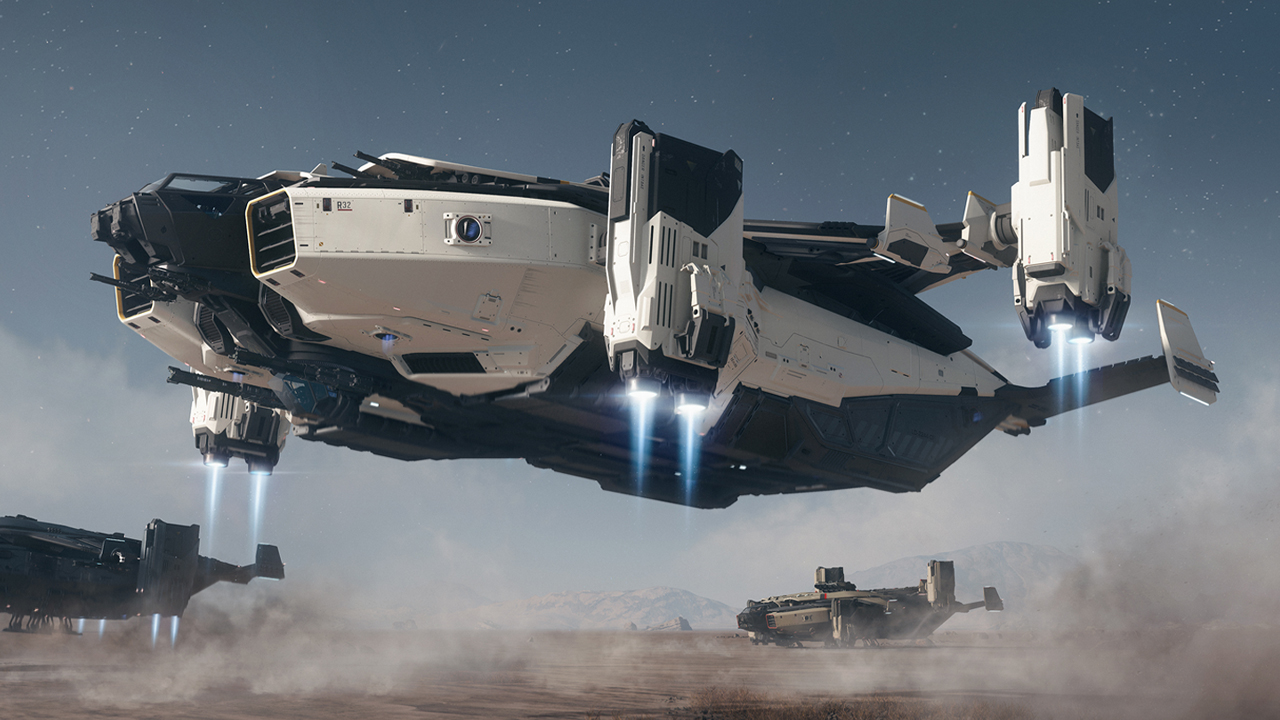
The latest Star Citizen Live featured a Q&A session with CIG’s Ship Audio Team, offering rare insights into how sound design shapes our operational experience across the ‘verse. While audio might seem like background detail, the team’s revelations highlight how critical sound engineering is to tactical awareness, immersion, and effective coordination during multi-crew operations.
Key Technical Insights
The audio team broke down their approach to creating distinct sonic signatures for different ship manufacturers and classes. Each manufacturer has its own audio DNA — from the industrial growl of Drake engines to the refined hum of Origin powerplants. This isn’t just aesthetic choice; it’s tactical intelligence. Experienced operators can identify ship types by engine signature alone, a skill that proves invaluable during reconnaissance or threat assessment.
The team also detailed their work on spatial audio systems, particularly how sound propagates through ship interiors and the vacuum of space. Interior audio changes dramatically based on atmospheric conditions, hull breaches, and power states. When your Hammerhead takes a hit and atmosphere starts venting, the audio cues tell the story before your HUD catches up.
Combat Audio Evolution
Perhaps most relevant to our Security division, the team discussed weapon audio design philosophy. Each weapon system has been engineered with distinct audio profiles that communicate range, damage type, and threat level. The crack of ballistic rounds versus the whine of energy weapons isn’t just flavor — it’s battlefield intelligence that helps operators assess threats and coordinate responses.
The team emphasized their work on audio occlusion and how sound travels through different materials and ship sections. This has direct implications for boarding actions, ship-to-ship combat, and damage assessment during engagements.
CDYN Impact: Division-Specific Considerations
Security Division: Enhanced weapon audio profiles and spatial sound design directly improve combat effectiveness. Operators can better identify threat vectors, coordinate fire missions, and assess battle damage through audio cues alone.
Exploration Division: Distinct engine signatures and environmental audio help with ship identification during deep space encounters. The ability to identify unknown contacts by sound signature adds another layer to reconnaissance protocols.
Rescue Division: Improved damage state audio and atmospheric breach sounds provide critical information during emergency response scenarios. Medical teams can assess ship condition and prioritize rescue efforts based on audio intelligence.
Mining & Salvaging: Industrial audio design helps operators identify equipment states, hazardous conditions, and material composition through sound. This proves especially valuable when working in low-visibility conditions.
Logistics: Multi-crew coordination benefits significantly from clear audio communication systems and ambient ship status indicators. Cargo operations require precise coordination, and audio cues help maintain operational tempo.
The Ship Audio Team’s work represents more than technical polish — it’s operational capability enhancement. As we continue building CDYN’s multi-role effectiveness, understanding these audio systems gives our operators another edge in the field. Coordinate with your division leads on incorporating audio intelligence into standard operating procedures.

Discussion